
Tree removal can be an essential step in maintaining the safety and aesthetics of your property. It can sometimes be a daunting task, seemingly complex and cumbersome, yet critical when trees prove to be hazardous. The process of removing a tree involves careful planning and execution to ensure the safety of people and properties in the vicinity.
This planning is crucial, particularly when dealing with large or old trees that may potentially affect the surrounding environment and structures. Tree removal should therefore not be approached lightly, and the reasons for removal need to be considered thoroughly.
There are several valid reasons to consider tree removal as necessary. One common reason is disease infestation, which can spread to other trees and plants in the vicinity, risking the health of the entire landscape. Sometimes, a tree’s roots can interfere with underground utilities or foundation structures, necessitating removal to prevent long-term damage. Additionally, dead or dying trees can pose significant safety hazards, particularly in storm-prone areas where they may fall unexpectedly. Understanding these scenarios helps homeowners plan effectively for safe and efficient tree removal.
Moreover, tree removal can be part of a broader landscaping or land development plan. Removing specific trees may open up space, allowing for more light and air circulation, which can benefit the remaining vegetation. It enables one to redesign their garden or yard to better suit their aesthetic or environmental preferences. Ultimately, whether motivated by health, safety, or landscaping design, tree removal is a pivotal aspect of property management that should be approached with due diligence. Informed decision-making can transform what might seem like a loss into an opportunity for growth and renewal.
The Role of Professional Expertise
Engaging a professional tree removal service can make the difference between a safe, efficient process and a risky endeavor that could harm both the property and individuals involved. Certified arborists possess the necessary knowledge to evaluate the health and structure of trees and can advise on the most appropriate course of action. Their expertise is invaluable when dealing with potentially dangerous tree removal situations that require specialized equipment and careful execution. Attempting to remove trees without professional help can lead to accidents, property damage, and even legal liabilities.
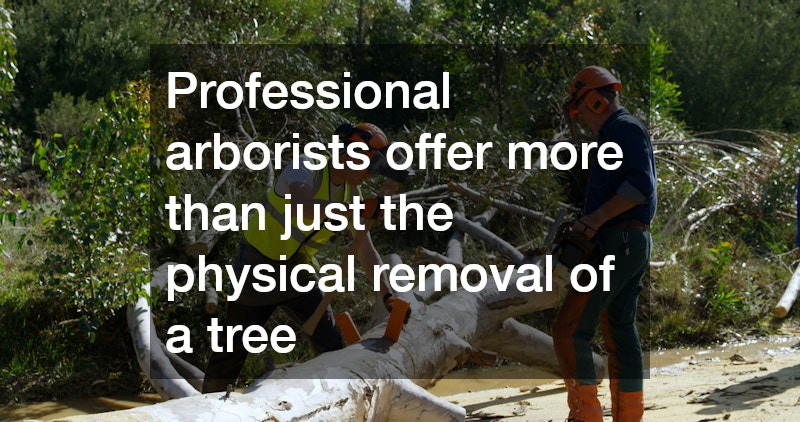
Professional arborists offer more than just the physical removal of a tree. They provide insightful guidance on preventing potential problems and maintaining the overall health of the landscape. For instance, they can identify early signs of disease or pest infestations that may not be apparent to the untrained eye. This proactive approach helps in preserving the overall value and beauty of your property. Professionals also help with proper waste management, ensuring that removed trees are disposed of safely and responsibly.
Additionally, professional tree removal services are equipped with insurance that offers protection against damages or injuries that may occur during the process. This insurance is crucial for offering peace of mind to homeowners, as tree removal is inherently risky. Choosing a professional ensures that all safety protocols are strictly followed, minimizing the risk of mishaps. With many years of experience and specialized tools, professional tree removal services guarantee efficiency and safety. Their comprehensive service ensures that the entire process from planning to post-removal is handled seamlessly and properly.
Environmental Considerations in Tree Removal
Tree removal is not just a matter of safety and aesthetics; it also has significant environmental implications that necessitate careful consideration. Every tree contributes to the ecosystem by providing habitat for wildlife, improving air quality, and helping in water conservation through the process of transpiration. Removing a tree should be contemplated thoroughly, bearing in mind its ecological benefits. In some areas, laws and regulations exist to protect trees, and non-compliance can lead to hefty fines or legal challenges.
Before proceeding with tree removal, it is essential to evaluate any environmental impact it might have. Erosion control and soil stabilization are crucial factors to consider, as tree roots help to maintain soil structure and nutrient cycling. Losing a tree can volitionally impact the surrounding plant life due to altered sunlight patterns and water availability. Thus, replanting or replacing trees may be a necessary strategy to offset environmental damage. Anyone involved in tree removal should aim to maintain balance in their natural surroundings.
In addition to private property concerns, tree removal on public lands or in shared spaces demands community engagement and transparency. In such cases, involving local environmental groups or governing bodies helps ensure that all perspectives are considered, promoting sustainable environmental practices. In this way, tree removal is not merely a technical task but a community and environmental stewardship matter. We should always strive to leave the environment in good shape, maintaining its aesthetic and ecological integrity for future generations.