
A home is far more than a simple shelter from the elements; it is an evolving reflection of your lifestyle, a haven for your family, and likely one of the largest financial investments you will ever make. Over time, however, even the most thoughtfully constructed houses begin to show signs of wear or simply fail to match the changing demands of modern living. Trends shift, structural elements degrade under weather exposure, and functional layout needs evolve as households grow or mature. Transforming a residence into a high-performing, visually striking sanctuary requires a strategic approach to modern exterior upgrades, interior spatial flow, and regular specialized upkeep.
When approaching a major project, looking at your property holistically yields the best long-term results. Enhancing curb appeal with state-of-the-art materials not only protects structural integrity but also significantly improves energy performance. Simultaneously, refining interior spaces to match contemporary design standards ensures that your living experience inside matches the beauty on the outside. By prioritizing durable materials, expert craftsmanship, and proactive maintenance, you can dramatically elevate your space while safeguarding your asset for decades to come.
1. Transforming Structural Potential: Modern Building and Layout Concepts
Redesigning or expanding a living space begins with a clear vision of structural functionality. In today’s design landscape, homeowners are increasingly looking for ways to maximize usable square footage, streamline construction timelines, and incorporate sustainable engineering practices right from the draft stage. Whether you are building a custom structure from the ground up, adding an expansive second-story addition, or completely reconfiguring an awkward floor plan, structural modernizations set the groundwork for all future aesthetic choices.
Executing these structural modernizations effectively demands a comprehensive roadmap:
- Spatial Blueprinting: Reconfiguring traditional floor plans to prioritize open-concept living, multi-generational functional spaces, and seamless indoor-outdoor transitions.
- Precision Off-Site Fabrication: Utilizing factory-controlled construction methods to build structural modules with sub-millimeter accuracy before final site assembly.
- Integrated Utility Planning: Aligning raw framing choices with modern HVAC ducting, plumbing stacks, and high-efficiency electrical layouts right from the start.
When embarking on complex structural alterations, partnering with seasoned professionals who offer end-to-end home building services ensures that local zoning laws, architectural framing requirements, and engineering standards are meticulously met. Modern structural techniques favor open-concept layouts, wide structural spans, and high ceilings that invite natural light deep into the core of the house. Achieving these expansive environments often requires steel beam integration and complex load-bearing realignments, making top-tier technical expertise essential to structural longevity.
Furthermore, speed and precision have revolutionized the residential construction market. Off-site prefabrication has moved from a niche alternative to a dominant force in high-end design. Working alongside the best modular home builder allows property owners to achieve custom, precision-engineered living quarters in a fraction of the time required by traditional stick-built methods. These modular assemblies are constructed in climate-controlled environments, eliminating weather-related wood warping and material degradation during the framing phase, ultimately yielding tighter thermal envelopes, reduced material waste, and pristine structural alignments.
2. Elevating Interiors through Strategic Renovation
Once the structural integrity and layout parameters of a property are established, attention naturally shifts to internal transformations. Interior modernizations focus heavily on blending aesthetic beauty with seamless daily utility. Kitchens and bathrooms continue to dominate high-impact remodeling priorities, as these spaces yield both high personal satisfaction and exceptional return on equity over time.
Modern interior upgrades lean away from heavy, compartmentalized designs and move toward sleek, functional simplicity:
- Integrated Storage Solutions: Floor-to-ceiling custom cabinetry, concealed pantries, and built-in organizers keep daily living areas clutter-free while maximizing vertical wall space.
- Tactile, High-Durability Surfaces: Quartzite counters, large-format porcelain slabs, and engineered hardwoods offer striking visuals with minimal routine maintenance requirements.
- Layered Architectural Lighting: Combining ambient recessed cans, focused task pendants, and subtle under-cabinet LED strips creates warmth and spatial depth throughout the home.
- Spa-Inspired Wet Rooms: Curbless walk-in showers, freestanding soaking tubs, and thermostatic fixtures convert standard master bathrooms into peaceful daily retreats.
Executing complex interior reconfigurations requires multi-trade coordination, including electrical panel work, heavy plumbing rerouting, HVAC duct balance, and precise finish carpentry. Enlisting accredited remodeling contractors guarantees that intricate tile layouts, electrical panel upgrades, and moisture barrier installations in wet environments meet rigid safety codes. Experienced trade leads manage timeline sequencing, preventing costly delays and ensuring that delicate finish materials are installed only after raw site work is thoroughly complete and dust-free.
3. High-Performance Windows and Thermal Envelope Solutions
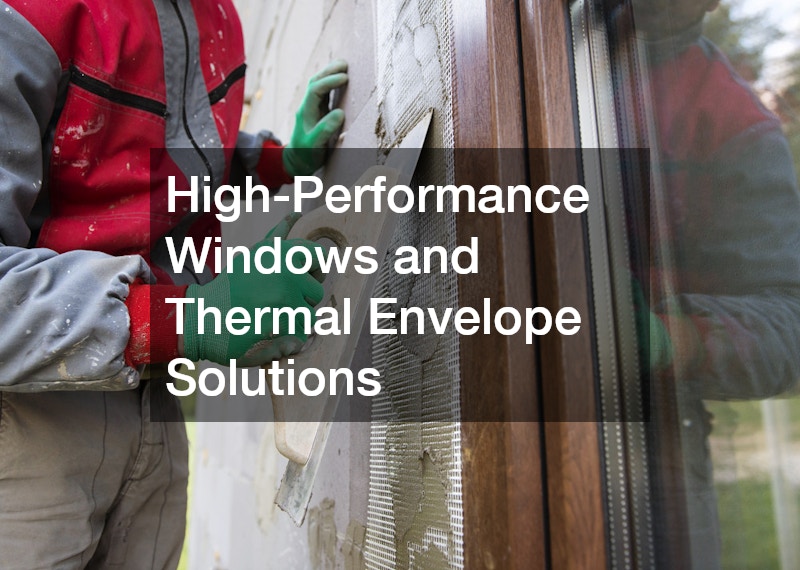
A frequently overlooked aspect of both interior comfort and exterior aesthetic is the home’s thermal envelope—specifically its fenestration. Windows act as the visual bridge between interior living rooms and the surrounding natural environment, while simultaneously bearing the heavy burden of thermal regulation against ambient heat and freezing outdoor temperatures. Outdated, single-pane, or drafty windows allow massive amounts of conditioned air to escape, causing HVAC systems to work overtime and dramatically inflating monthly utility bills.
Upgrading your home window replacement strategy yields immediate dividends in indoor acoustics, thermal regulation, and structural preservation. Modern architectural windows feature double- or triple-pane insulated glass units filled with inert gases like argon or krypton, paired with advanced low-emissivity coatings. These technologies block destructive ultraviolet rays that fade interior hardwood flooring and upholstery, while reflecting radiant heat back to its source—keeping interiors cool in summer and warm in winter.
Beyond energy savings, modern window frames come in sleek profile materials like thin-line aluminum, durable fiberglass, and low-maintenance composite vinyl that eliminate the constant need for scraping and painting. Expansive floor-to-ceiling glass walls, bi-fold patio doors, and strategically placed clerestory windows bring abundant natural light into previously dark rooms, completely shifting the mood, functionality, and perceived scale of your interior layout.
4. Total Exterior Fortification: Advanced Roofing Solutions
The roof is your home’s primary defense system against severe weather, torrential rains, intense solar exposure, and heavy wind loads. Even the most stunning interior design can be ruined in minutes if an aging overhead barrier fails during a heavy storm. Modern roofing goes far beyond basic asphalt shingles; it encompasses integrated ventilation networks, high-performance synthetic underlayments, and advanced material science designed to withstand extreme climate events.
A modern high-performance roofing system relies on an engineered multi-layer assembly:
- Top Protective Decking Layer: High-wind architectural shingles, standing-seam metal panels, or synthetic slate tiles that resist impact and deflect solar radiation.
- High-Performance Mid Layer: Self-adhering synthetic ice and water shields that seal around nail penetrations and prevent wind-driven rain intrusion.
- Engineered Base Ventilation: Radiant barrier roof decking paired with continuous soffit-to-ridge ventilation channels that regulate attic heat and moisture levels.
Selecting a reputable, fully insured roofing company is the foundational step toward securing a leak-free roof installation. A comprehensive evaluation by a professional involves inspecting the structural roof deck, verifying soffit-to-ridge airflow ratios, and identifying vulnerabilities around chimneys, valleys, and wall step flashings. Modern installations prioritize synthetic underlayments over traditional asphalt-saturated felt paper, creating an impenetrable secondary water barrier that resists tearing, dry rot, and degradation during high-wind events.
When it comes to selecting exterior materials, homeowners now have an extraordinary array of options that balance longevity with architectural curb appeal:
- Architectural & Dimensional Shingles: Laminated multi-layer shingles that mimic natural slate or wood shake while providing 30-year to lifetime durability warranties against wind uplift.
- Standing-Seam Metal Roofing: Ultra-durable steel or aluminum panels with concealed fasteners that offer superior wind resistance, high fire ratings, and exceptional solar reflectance.
- Synthetic Slate & Composite Tiles: Engineered from recycled polymers to deliver the classic aesthetic of heavy stone roofing without requiring expensive structural rafter reinforcement.
To execute these complex installations flawlessly, working with certified roofing contractors ensures that manufacturer installation specifications are strictly met, preserving long-term material warranties, wind resistance ratings, and home structural safety for decades.
5. Architectural Siding and Envelope Cladding
While your roof shields your home from above, your exterior siding defends the perimeter against horizontal rain intrusion, wind-driven moisture, subterranean pests, and ambient temperature swings. Siding also dictates a vast portion of your home’s overall exterior design personality and visual curb appeal. Upgrading tired, rotting, or faded siding with modern cladding materials can instantly transform an aging house into an architectural standout in your neighborhood.
Modern siding systems emphasize weatherization, structural insulation, and low-maintenance longevity. A skilled siding contractor will begin by installing a breathable water-resistive barrier over the exterior wall sheathing, followed by rainscreen battens that create a dedicated air ventilation gap behind the cladding. This specialized installation technique allows trapped moisture to evaporate quickly before it can infiltrate wood framing, effectively preventing structural mold, dry rot, and interior drywall damage behind your home’s exterior walls.
Popular modern siding materials providing high durability and aesthetic versatility include:
- Fiber Cement Board Cladding: Exceptionally resistant to rot, fire, termites, and severe weather impacts, mimicking natural wood grain textures without requiring constant staining or painting.
- Insulated Vinyl Siding: Backed with custom-cut rigid foam insulation to eliminate thermal bridging through wooden wall studs and significantly increase exterior wall insulation ratings.
- Engineered Wood Siding: Combines natural wood fibers with specialized resins and waxes for exceptional dimensional stability, moisture resistance, and deep, natural texturing.
- Metal & Composite Accent Panels: Frequently deployed in modern contemporary architectural designs to create bold color blocks, vertical board-and-batten contrast, or warm faux-wood panel accents.
6. Specialty Roof and Masonry Upgrades
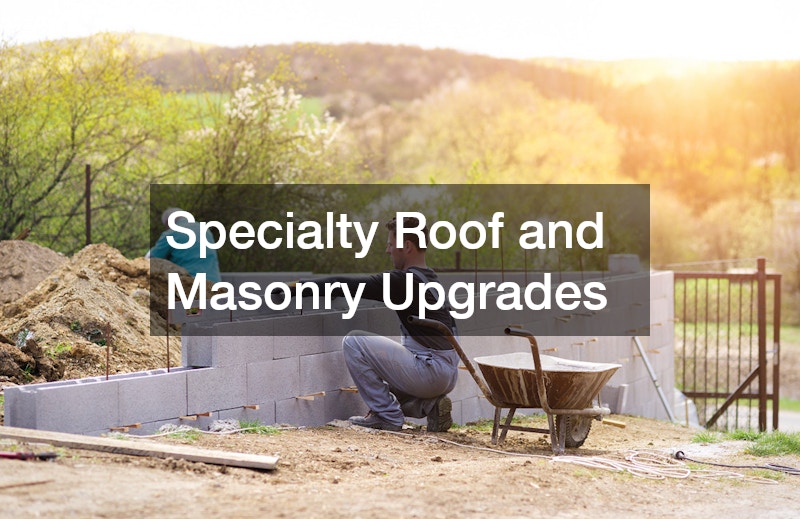
Beyond standard shingle and siding installs, exterior modernizations must address specialized roofline elements, masonry structures, and complex flashing intersections. Chimneys, in particular, represent significant roof penetration points that are notoriously susceptible to weather degradation, water intrusion, and structural deterioration due to repeated freeze-thaw cycles over time.
Investing in dedicated chimney services guarantees that your masonry caps, counter-flashing systems, mortar joints, and internal flues remain structurally sound and completely watertight. Over time, outdoor mortar joints crumble, and concrete crowns crack under thermal stress, allowing water to trickle down inside internal wall cavities unnoticed. Professional chimney specialists perform tuckpointing—replacing degraded mortar with fresh, weather-resistant, color-matched compounds—and install custom stainless-steel or copper counter-flashings integrated directly into your roofing system. Additionally, installing modern flue caps prevents driving rain, falling leaf debris, and urban wildlife from entering your home chimney stack.
Maintaining a structural chimney involves several distinct restoration focus areas:
- Mortar Joint Restoration: Addressing cracking, spalling, and rain erosion through deep tuckpointing using specialized, weather-resistant mortar formulations.
- Chimney Crown Rebuilding: Repairing freeze-thaw fractures by pouring a reinforced concrete cap designed with integrated drip edges to shed water away from brickwork.
- Flashing System Integration: Eliminating rusting, lifting, and caulk failure by fitting custom-bent copper or step-flashing directly into the masonry joints and roofing underlayment.
- Flue Interior Protection: Removing hazardous creosote buildup and replacing cracked clay tiles with high-grade, flexible stainless steel flue relining systems for fire safety.
7. Transforming Outdoor Living Spaces: Pools and Landscaping
A complete spatial transformation does not end at the exterior walls. Modern home design seamlessly blends interior living areas with functional outdoor oases. Backyard patios, outdoor kitchens, custom swimming pools, and manicured lawns extend your usable square footage, providing dedicated outdoor areas for relaxation, family gatherings, and year-round entertainment.
Maintaining high-end outdoor amenities, however, requires specialized care techniques to preserve their pristine appearance. For homes with swimming pools, water chemistry imbalances and hard water mineral deposits can leave stubborn white scaling along the waterline over time, dulling the vibrant appearance of luxury pool tiles. Scheduling routine pool tile cleaning restores dark glass, ceramic, or porcelain tiles to factory-fresh clarity using gentle bead-blasting or eco-friendly chemical dissolving techniques that protect delicate grout lines while removing tough calcium buildup.
Complementing a pristine pool area with low-maintenance landscaping finishes off the ultimate outdoor sanctuary. Traditional natural grass lawns demand constant watering, weekly mowing, chemical fertilizing, and ongoing weed control, often struggling to thrive in shady areas or near chlorinated pool water splashes. Modern artificial turf installations provide a lush, deep-green outdoor surface year-round without the burdensome upkeep, seasonal muddy patches, or chemical fertilizer runoff.
A high-performance synthetic turf system relies on an engineered drainage foundation:
- UV-Stabilized Surface Blades: Synthetic turf fibers woven with natural-looking thatch layers and antimicrobial infill to reflect heat and withstand heavy foot traffic.
- Crushed Aggregate Sub-Base: A compacted layer of crushed stone and aggregate that promotes rapid vertical drainage away from the surface during heavy rains.
- Geotextile Weed Barrier Membrane: A permeable underlying fabric that prevents weed growth while allowing water to pass straight into the compacted soil below.
Synthetic turf options feature multi-toned blade profiles, natural-looking thatch layers, and high-flow drainage backings that allow rainwater to pass straight through into the soil below. Whether surrounding a stone pool deck, creating a clean pet-friendly play zone, or designing a private backyard putting green, synthetic turf creates a uniform exterior backdrop that enhances your home’s total aesthetic footprint while cutting maintenance time down to zero.
Mastering the Renovation Process
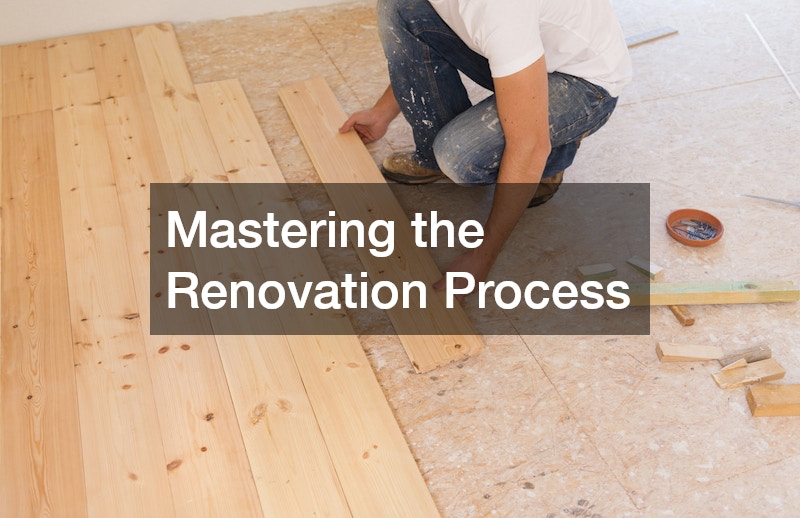
Embarking on a comprehensive home transformation requires careful planning, budget allocation, material selection, and clear contractor communication from start to finish. By tackling major structural and protective systems first—such as roofs, windows, and siding—you establish a dry, energy-efficient shell that protects all subsequent interior investments and prevents premature wear on luxury indoor finishes.
To keep your multi-phase project moving efficiently and on budget, keep these key project management guidelines in mind throughout the process:
- Sequence Projects Logically: Complete dirty structural tear-outs, roof replacements, and window installs before completing interior drywall finishes, custom cabinetry, or luxury outdoor landscaping.
- Verify Licensing & Insurance: Ensure every trade partner maintains current general liability, workers’ compensation, and relevant state trade licenses prior to performing any site work.
- Specify Material Grades: Always review material data sheets for windows, roofing underlayments, siding formulations, and turf infill to ensure high thermal performance and durability.
- Establish Clear Timelines: Define clear project milestones, payment schedules tied to completed building inspections, and daily site cleanup protocols to maintain safety.
- Plan for Contingency Budgets: Set aside an additional 10 to 15% of your total budget for unexpected structural framing updates or electrical code compliance retrofits discovered during wall teardowns.
Investing in modern building practices, robust exterior barriers, high-efficiency fenestration, and low-maintenance outdoor amenities transforms your property into a resilient, high-performing sanctuary. By making informed design decisions and choosing durable, sustainable materials, you ensure that your revitalized space offers exceptional comfort, modern beauty, reduced energy costs, and lasting financial value for many years to come.