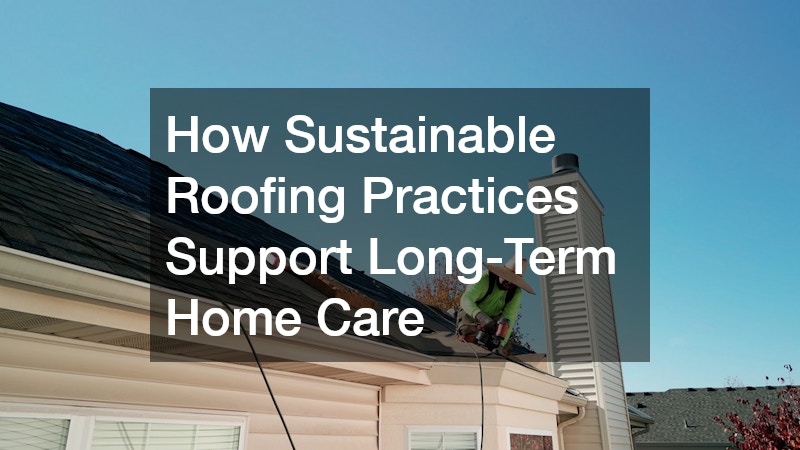

A home’s roof does more than sit overhead. It plays a direct role in energy efficiency, structural protection, and long-term costs. When homeowners begin thinking beyond short-term fixes, they often find that sustainable roofing choices offer stronger results over time. Sustainable roofing is not limited to eco-friendly materials. It also includes smarter planning, responsible upkeep, and informed decisions that reduce waste while extending the life of the home. With the right approach, homeowners can lower expenses, reduce environmental impact, and avoid repeated repairs that add up quickly. This guide walks through how thoughtful roofing decisions support lasting home care, while also helping homeowners stay ahead of costly issues.
Understanding the Role of Sustainability in Roofing
Sustainability in roofing starts with intention. Every decision—from materials to installation—affects how long a roof lasts and how well it performs. A poorly planned system may require frequent fixes, while a well-designed one can hold strong for decades. Many homeowners rely on professional roofing services to evaluate their current roof and recommend improvements that align with long-term goals. These services often include inspections, material assessments, and planning for future upgrades.
Working with an experienced roofing company also allows homeowners to explore options that balance durability with environmental responsibility. Instead of replacing materials too soon, the focus shifts to maximizing lifespan and reducing waste. Sustainable roofing is not about doing everything at once. It’s about making smarter decisions that add up over time.
Choosing Materials That Last Longer
Material selection is one of the most important parts of building a sustainable roof. Some materials wear down quickly under harsh conditions, while others hold up well for years with minimal issues. For example, asphalt shingle roofing remains a popular choice because it offers a balance between affordability and performance. However, choosing higher-quality shingles within this category can significantly extend the life of the roof.
Homeowners who invest in proper roof installation also see better results. Even the best materials can fail early if installed incorrectly. A well-installed roof improves resistance to wind, water, and temperature changes, all of which impact longevity. When materials are chosen carefully and installed correctly, the need for early replacement drops. That alone makes a major difference in both cost and environmental impact.
Reducing Waste Through Smarter Disposal Practices
Roof replacements often generate large amounts of waste. Old shingles, underlayment, and other materials can quickly fill landfills if not handled properly. This is where asphalt shingle recycling becomes valuable. Instead of sending used materials to waste sites, many can be processed and reused in construction projects, including road paving.
Homeowners who work with responsible roofing contractors can ask about recycling options during a project. Many professionals now partner with facilities that handle material recovery, helping reduce the environmental footprint of each job. Sustainable disposal is not always discussed upfront, but it plays a key role in long-term home care. It keeps waste out of landfills and supports a more responsible construction cycle.
Extending Lifespan With Routine Care
A roof does not need to fail before attention is given to it. In fact, regular upkeep is one of the most effective ways to extend its life. Consistent roofing maintenance helps identify minor issues before they turn into expensive problems. Small cracks, loose shingles, or early signs of water intrusion can often be fixed quickly when caught early.
Homeowners should also pay attention to local roof repairs after storms or seasonal changes. Addressing damage right away prevents it from spreading and reduces the risk of structural issues. A proactive approach to care reduces the need for full replacements. It also keeps the home protected year-round without major disruptions.
Improving Energy Efficiency With Better Design
Sustainable roofing is closely tied to energy efficiency. A well-designed roof can reduce heat loss in winter and limit heat gain in summer. Ventilation, insulation, and material choice all contribute to how a roof performs. When these elements are aligned, the home requires less energy to maintain a comfortable temperature.
Features like reflective surfaces or advanced materials can also enhance performance. Metal options, for example, are often used in roof trusses and metal roofing systems that improve airflow and reduce heat buildup. Homeowners who work with experienced roofing contractors can explore design adjustments that improve efficiency without major structural changes. Over time, these improvements can lead to noticeable savings on energy bills.
Preventing Structural Issues Before They Start
A failing roof can lead to more than surface-level problems. Water intrusion, mold growth, and weakened framing can all develop if issues go unnoticed. Preventive strategies focus on stopping these problems early. Regular inspections, proper drainage, and strong installation techniques all contribute to a stable structure.
When homeowners invest in professional roofing services, they gain access to trained eyes that can spot hidden concerns. This includes checking flashing, seals, and areas where water may collect. Addressing these details early protects the entire home, not just the roof. It also avoids costly repairs that go far beyond roofing itself.
Supporting Local Economies With Responsible Choices
Sustainable roofing also includes choosing the right professionals for the job. Local experts often understand regional weather patterns and building requirements better than outside providers. Hiring a trusted roofing company within the community supports local businesses while also improving project outcomes. These professionals are more likely to recommend solutions that fit the area’s specific needs. In addition, working with local roof repair specialists ensures faster response times when issues arise. Quick action can prevent small problems from becoming major repairs. Choosing local support is not just convenient. It contributes to a more reliable and efficient home care strategy.
Planning for Long-Term Cost Savings
Sustainable roofing may require a higher upfront investment, but it often leads to lower costs over time. Durable materials, proper installation, and regular upkeep all reduce the need for frequent repairs. Homeowners who prioritize roofing maintenance tend to spend less on emergency fixes. They also avoid the stress that comes with sudden failures or unexpected damage. Cost savings also come from improved energy efficiency. A well-performing roof reduces heating and cooling expenses, adding another layer of financial benefit. Planning ahead allows homeowners to spread costs over time instead of facing large, sudden expenses.
Adapting Roofing Strategies to Climate Conditions
Different climates place different demands on a roof. What works in one region may not perform well in another. Sustainable roofing takes these factors into account. Materials, design, and installation methods should all reflect local conditions, including temperature swings, humidity, and storm frequency. For example, asphalt shingle roofing may perform well in moderate climates, while other materials may be better suited for extreme conditions. Consulting with experienced roofing contractors helps homeowners choose the right approach. Adapting to the environment improves durability and reduces the likelihood of early failure. It also ensures the roof continues to perform well year after year.
Building a Future-Focused Roofing Plan
Sustainability is not a one-time decision. It requires ongoing attention and a willingness to adapt as needs change. Homeowners can benefit from creating a long-term roofing plan that includes inspections, upgrades, and potential replacements. This plan should also consider evolving materials and technologies that improve performance.
Working with a reliable roofing company helps keep this plan on track. Professionals can provide updates, recommendations, and support as the roof ages. A forward-thinking approach reduces uncertainty and helps homeowners stay prepared for whatever comes next.
Recognizing Early Warning Signs Before Damage Spreads

Many roofing issues begin quietly. A small leak, a lifted shingle, or minor discoloration may not seem urgent at first. Over time, though, these small concerns can grow into serious structural problems if ignored.
Homeowners who stay alert to early warning signs often avoid larger repairs. Some of the most common indicators include:
- Water stains on ceilings or walls
- Missing or curling shingles
- Granules are collecting in gutters
- Sagging areas along the roofline
- Increased indoor humidity without a clear cause
When these signs appear, it is wise to schedule an inspection rather than wait. A professional roofing company can identify the root cause and recommend the right solution before the issue worsens.
Early action supports long-term home care by reducing repair costs and protecting the home’s structure. It also limits the chance of unexpected damage during heavy rain or seasonal shifts.
The Role of Ventilation in Roof Longevity
Ventilation is often overlooked, yet it plays a major role in how well a roof performs. Without proper airflow, heat and moisture can become trapped in the attic, leading to long-term damage.
Poor ventilation can cause:
- Premature aging of roofing materials
- Mold or mildew growth
- Increased energy costs
- Warping of structural components
A balanced ventilation system allows fresh air to enter while pushing out excess heat and moisture. This helps regulate temperature and protects the roof from internal stress. During a roof installation, professionals can assess whether the current ventilation system meets modern standards. If not, upgrades can be added without major structural changes. Homeowners who invest in proper ventilation often notice longer roof life and more stable indoor temperatures. It is a simple adjustment that delivers lasting value.
Managing Water Flow to Prevent Long-Term Issues
Water is one of the biggest threats to any roof. If it is not directed away properly, it can seep into vulnerable areas and cause hidden damage. Gutters, downspouts, and drainage systems all play a role in managing water flow. When these components are clogged or damaged, water can back up onto the roof or pool near the foundation. Routine roofing maintenance should include checking these systems to confirm they are clear and functioning correctly. This is especially important after storms or during seasonal changes when debris tends to build up.
In some cases, local roof repairs may be needed to fix flashing, seals, or drainage points that are no longer performing as they should. Addressing these issues early helps prevent leaks and structural weakening. Managing water effectively keeps the roof stable and reduces the risk of long-term damage inside the home.
Integrating Modern Materials for Better Performance
Advancements in roofing materials have made it easier for homeowners to choose options that last longer and perform better. These materials are often designed to handle harsh conditions while reducing environmental impact. Metal systems are one example. When paired with strong framing, such as roof trusses and metal roofing setups, they provide durability and improved airflow. These systems are known for their ability to resist extreme weather and maintain their structure over time.
Other modern materials include impact-resistant shingles, reflective coatings, and synthetic underlayments. Each offers specific benefits that contribute to overall performance. Working with experienced roofing contractors helps homeowners understand which materials align with their goals. The right choice depends on climate, budget, and long-term plans for the property. Upgrading materials is not just about appearance. It directly affects how well the roof protects the home and how long it will last.
Creating a Maintenance Schedule That Works
Consistency is key when it comes to long-term roof care. A structured maintenance plan helps homeowners stay on track and avoid missing important inspections.
A simple schedule may include:
- Seasonal visual inspections from the ground
- Professional evaluations once or twice per year
- Gutter cleaning during fall and spring
- Immediate checks after major storms
Regular roofing maintenance allows small concerns to be addressed quickly. This reduces the chance of sudden failures and helps maintain the roof’s overall condition. Homeowners who rely on professional roofing services can also set up ongoing maintenance programs. These programs often include routine checkups, minor repairs, and detailed reports on the roof’s condition. Having a plan in place removes guesswork and keeps the home protected throughout the year.
Balancing Aesthetics With Long-Term Function
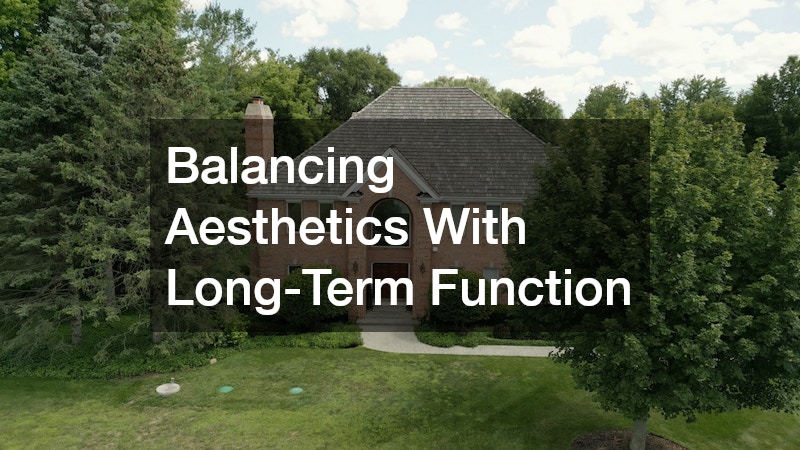
A roof contributes heavily to a home’s overall appearance. While visual appeal matters, it should not come at the cost of performance. Some homeowners focus only on color or style without considering durability. Over time, this can lead to more frequent repairs or early replacement. Materials like asphalt shingle roofing offer a wide range of design options while still delivering reliable performance. When installed correctly, they provide both visual appeal and long-term protection.
Choosing the right balance often involves working with a knowledgeable roofing company that understands both design and function. They can recommend options that match the home’s style without sacrificing durability. A well-chosen roof enhances curb appeal while continuing to support the home’s structure for years to come.
In conclusion, sustainable roofing practices create a strong foundation for long-term home care. By focusing on durability, efficiency, and responsible decision-making, homeowners can protect their investment while reducing unnecessary waste. The key lies in consistency. Small, thoughtful choices—made over time—lead to better performance, lower costs, and a home that stays protected for years to come.