

Owning a house comes with immense responsibilities, and maintaining the structural and mechanical integrity of the property stands at the absolute top of the list. Many homeowners ignore subtle warning signs, hoping minor inconveniences disappear on their own without intervention. This approach leads to catastrophic failures, inflated repair bills, and compromised living conditions for the entire family. Preventative maintenance shifts the focus from reactive damage control to proactive asset protection. By identifying early red flags, you save thousands of dollars each year and preserve the safety of your living environment.
A house communicates its distress through specific sounds, smells, and visual cues. A faint localized odor or a brief mechanical noise might seem trivial but points to a developing problem behind the walls or beneath the floorboards. Paying attention to these signals is the cornerstone of responsible property ownership. The cost of routine maintenance pales in comparison to the immense financial burden of replacing an entire mechanical system after a catastrophic breakdown. This comprehensive guide explores ten critical warning signs every homeowner must recognize. Addressing these red flags transforms massive emergencies into manageable weekend tasks.
1. Upgrade Outdated Panels for Electrical Safety

A modern household consumes a massive amount of power to run appliances, entertainment systems, and climate control units. Older electrical systems struggle to handle this modern load, presenting severe fire hazards if left unaddressed. Homeowners must watch for dimming lights when a refrigerator or air conditioner turns on. Buzzing sounds from wall switches and circuit breakers that trip on a regular basis serve as major red flags. These symptoms indicate overloaded circuits, degraded wire insulation, or loose connections within the main electrical panel. Ignoring these signs forces the system to run hot, melting components and sparking hidden fires behind the drywall.
Actionable Tips for Electrical Maintenance:
- Calculate the total amperage requirements of major appliances to ensure your panel has adequate electrical capacity.
- Inspect the area around the main breaker box for rust, scorch marks, or an ozone smell.
- Label every switch in the breaker box to identify which specific zones consume the most power.
When a panel exhibits scorch marks or the breakers refuse to reset, consulting a licensed electrician ensures the system receives a safe evaluation and an upgrade to modern building codes. Prompt intervention keeps the household safe from electrical fires and stabilizes power delivery.
2. Inspect Attic Ceilings for Hidden Leaks
Overhead vulnerabilities represent a massive threat to the structural integrity of a residence. A compromised roof allows moisture to seep into the insulation, rot the wooden framework, and foster hazardous mold growth. Homeowners must look for specific indoor indicators of water intrusion. Yellowing circular stains on the top-floor ceilings, peeling paint near the crown molding, and shafts of sunlight piercing through the attic boards signal a breach in the exterior defense. These small signs indicate that shingles have failed or the waterproof underlayment has deteriorated.
Actionable Tips for Roof and Attic Maintenance:
- Clear fallen leaves, twigs, and sediment from all gutters to prevent water from backing up under eaves.
- Examine the metal flashing around brick chimneys and vent pipes for loose nails or deteriorated sealant.
- Check the water runoff from downspouts to see if heavy amounts of protective shingle granules wash away.
If you notice widespread granule loss or curling materials, having a professional roofer inspect the flashing stops a minor drip from rotting your attic framework. Catching these moisture problems before they migrate down into the living spaces preserves the drywall and protects the indoor air quality.
3. Replace Dirty Filters for Proper Airflow

Maintaining high indoor air quality requires active participation and consistent monitoring of your ventilation systems. When air cannot flow without restriction, the blower motor strains against the resistance, increasing energy consumption and causing premature mechanical failure. You must stay alert to musty or burning smells coming from the vents when the system cycles on. An excessive buildup of dust on furniture right after cleaning or an unusually weak breeze from the registers points to a clogged filtration system. Restricted airflow traps allergens, pet dander, and microscopic debris inside the living space.
Actionable Tips for Airflow Management:
- Swap out standard fiberglass or pleated filters every thirty to ninety days depending on pet presence.
- Wipe down all supply and return vent grilles with a damp microfiber cloth to remove surface dust.
- Ensure large furniture, rugs, and heavy drapes do not block the floor or wall air registers.
For persistent odors despite clean filters, scheduling a duct inspection with a reputable HVAC company eliminates hidden mold or deep blockages. Clean pathways allow the system to condition the air with minimal effort, reducing utility bills and extending the life of the blower motor.
4. Schedule Annual Checkups for Winter Heating
A heating system must operate in a predictable, sustained cycle to warm a house with maximum efficiency. A clear red flag arises when the unit turns on, runs for a brief minute, and shuts off without reaching the set temperature. This mechanical behavior wastes massive amounts of fuel and causes severe wear and tear on the internal components. Short-cycling points to an oversized unit, a malfunctioning thermostat, or a cracked heat exchanger. Allowing the system to stutter through the autumn months guarantees a complete shutdown when freezing temperatures arrive.
Actionable Tips for Heating Efficiency:
- Calibrate the wall thermostat using an independent digital thermometer to verify indoor temperature accuracy.
- Open all interior room doors and vents to ensure balanced air pressure across the entire home.
- Clean the furnace flame sensor with a piece of emery cloth to prevent false shutdowns.
Ignoring a system that constantly short-cycles leads to emergency furnace repair during the coldest weeks of the year. Routine observation and proactive adjustments keep the internal components operating in harmony and prevent sudden breakdowns on freezing nights.
5. Monitor Foundation Fissures for Moisture Intrusion
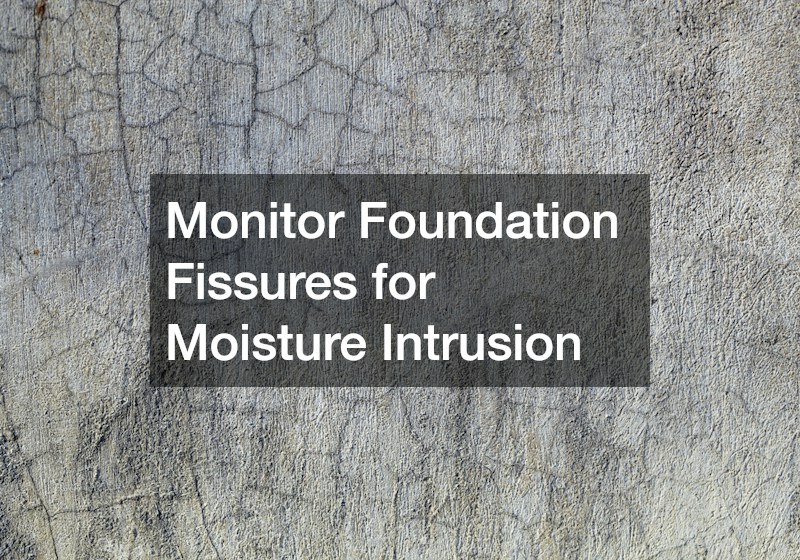
The foundation acts as the anchor for the entire structure, and any compromise at this level cascades upward into the framing and drywall. Homeowners must learn to differentiate between harmless vertical settling lines and dangerous structural warnings. Horizontal fissures or stair-step patterns traversing cinder blocks indicate immense lateral soil pressure. A chalky white residue forming on the concrete surface signifies chronic water seepage. Unchecked moisture degrades the concrete composition, invites subterranean pests, and creates a damp environment conducive to massive mold outbreaks.
Actionable Tips for Foundation Care:
- Track the growth of any visible concrete fissure by drawing pencil marks at the ends and dating them.
- Extend all exterior roof downspouts at least six feet away from the base of the house to manage surface water.
- Grade the exterior landscaping soil so it slopes downward, directing heavy rainfall away from the perimeter.
When structural shifts cause horizontal splitting, investing in professional basement wall crack repair becomes necessary to prevent total foundational collapse. Addressing these vulnerabilities early secures the structural envelope and keeps the lower levels dry throughout the rainy season.
6. Address Gurgling Pipes for Deep Blockages
The plumbing network relies on a delicate balance of water flow and air pressure to move waste away from the residence. A distinct gurgling sound coming from a toilet bowl or a bathroom sink when a different fixture drains signifies a major disruption in this balance. This noise indicates trapped air fighting to escape, which points to a blocked vertical vent stack or a growing obstruction in the main sewer line. Ignoring this audible warning allows the blockage to solidify, eventually forcing wastewater back up through the lowest drains.
Actionable Tips for Pipe Maintenance:
- Use a standard rubber flange plunger to dislodge superficial blockages near the bathroom toilet trap.
- Inspect the roof vent pipe for physical obstructions like fallen bird nests, tennis balls, or packed leaves.
- Run hot water down unused guest bathroom drains to maintain the protective water seal in the P-traps.
If clearing the visible roof vents does not stop the gurgling noises, a diagnostic camera inspection from a local plumbing company identifies tree root intrusions or deep structural pipe collapses. Catching pressure imbalances early saves the household from dealing with unsanitary interior floods.
7. Flush Sluggish Sinks for Smooth Drainage
Everyday kitchen and bathroom fixtures endure a constant barrage of soap scum, cooking grease, food particles, and shed hair. Slow drainage in these localized areas creates stagnant pools of water, fostering bacterial buildup and releasing foul smells into the living space. When water takes several minutes to disappear down the basin, the trapped debris has formed a sticky sludge that narrows the pipe diameter. The added weight and pressure of standing water strain the glued joints and threaded connections under the sink, leading to destructive cabinet leaks.
Actionable Tips for Clear Sinks:
- Pour a pot of boiling water down the kitchen sink weekly to melt away accumulating cooking grease.
- Use a manual plastic drain snake to extract clumped hair from the bathroom vanity basins and shower grates.
- Apply a mixture of white vinegar and baking soda to scrub away minor organic buildups in the trap.
Relying on a harsh chemical drain cleaner corrodes older metal pipes and damages PVC cement, making natural hot-water flushing a safer monthly habit. Regular attention to fixture flow rates prevents localized clogs from hardening into impenetrable blockages.
8. Check Yard Patches for Exterior Failures
For properties disconnected from municipal sewer grids, the exterior waste management system requires vigilant observation. The drainage field acts as the final filtration zone for household effluent. Homeowners must watch for vibrant, lush green patches of grass growing in concentrated squares, which indicate an unnatural source of subsurface fertilizer. Squishy, foul-smelling soil in the backyard during a dry week points to a failing lateral line or a saturated drain field. These surface-level clues indicate that the underground network has lost the ability to process and absorb liquid waste.
Actionable Tips for Drain Field Protection:
- Stagger heavy laundry days throughout the week to reduce the hydraulic load on the underground lines.
- Repair running toilets and dripping bathroom faucets to stop continuous, unnecessary water flow into the system.
- Avoid parking heavy vehicles or planting deep-rooted trees over the designated underground drainage zone.
If the lawn remains soggy despite strict indoor water conservation, contracting a septic cleaning company to assess the lateral lines prevents total system failure. Managing the exterior environment protects the groundwater and prevents thousands of dollars in excavation costs.
9. Maintain Waste Schedules for System Health

An independent residential waste system demands strict volume management to function without interruption. The absolute worst red flag occurs when raw sewage smells permeate the interior of the house or wastewater begins backing up into lower-level showers and basement floor drains. These alarming events mean the primary holding tank has reached maximum capacity and the solid sludge has nowhere to go but backward. Allowing the tank to overfill forces solid matter into the delicate exterior drain lines, clogging the porous soil and destroying the entire filtration process.
Actionable Tips for Volume Management:
- Calculate your baseline household water usage by reviewing past utility bills or tracking well pump cycles.
- Establish a firm maintenance timeline based on the specific tank capacity and the number of daily occupants.
- Install an effluent filter on the outlet baffle to trap stray solid waste before it exits the main chamber.
To avoid hazardous interior overflows and biohazard cleanups, homeowners must proactively schedule a septic pumping service every three to five years depending on their specific household volume. Adhering to this strict timeline removes the accumulated sludge and resets the holding capacity of the primary chamber.
10. Investigate Spongy Floors for Structural Rot
Surface materials mask the hidden deterioration happening within the wooden bones of a house. The subtle feeling of a floorboard giving way underfoot signals severe structural compromise. Homeowners must pay attention to linoleum curling at the edges, bathroom tile grout cracking, or hardwood planks cupping in the center. These physical changes indicate persistent moisture damage degrading the subfloor beneath the finish layer. Water travelling from a hidden plumbing leak or a compromised exterior wall attacks the joists, turning rigid timber into a soft, fibrous hazard.
Actionable Tips for Floor Integrity:
- Pull back the hidden corners of room carpeting in damp areas to check the underlying wood for dark moisture stains.
- Inspect the perimeter silicone caulking around bathtubs and shower pans for gaps where splashing water escapes onto the floor.
- Examine the unfinished basement ceiling or crawlspace for visual signs of dripping water below the affected flooring zone.
If the subfloor feels soft and yields to pressure, bringing in a home remodeling contractor to replace the rotted joists restores the stability of the structure. Removing the damaged wood eliminates hidden mold colonies and prevents heavy fixtures like cast-iron tubs from crashing through the floor.
Protecting a residential property requires constant vigilance and a willingness to investigate irregularities before they escalate. The sounds, smells, and visual anomalies occurring throughout a house serve as a diagnostic dashboard for mechanical and structural systems. Ignoring a dripping pipe, a strange electrical buzz, or a soft spot in the floorboards invites catastrophic damage and enormous financial strain. Preventative maintenance demands that property owners mediate the wear and tear of daily life.
Implementing an observation routine transforms emergencies into scheduled upkeep. Addressing these ten warning signs early secures the structural envelope, stabilizes the indoor climate, and preserves sanitary conditions. Proactive homeowners experience fewer surprise breakdowns and enjoy a higher quality of life. Create a seasonal checklist that covers the roof, the foundation, the plumbing lines, and the electrical panel. Commit to this recurring maintenance schedule to safeguard your financial investment and prevent unexpected disruptions to your daily routine. By paying attention to the red flags your house displays, you ensure the property remains a durable, safe sanctuary for generations.