
Regular furnace maintenance can help keep your heating system dependable and may reduce the likelihood of unexpected furnace repair. Small problems involving airflow, worn components, or electrical connections can become more serious when they go unnoticed. Routine attention gives homeowners an opportunity to identify developing concerns before they result in an inconvenient breakdown. Understanding basic maintenance tasks and recognizing warning signs can help you make informed decisions about your home’s heating system.
Why Furnace Maintenance Matters
A furnace works hard throughout the colder months, and routine maintenance can help it operate as intended. Dust and dirt can accumulate inside the system, while components may become worn through normal use. Restricted airflow can also force the furnace to work harder to distribute heated air throughout the home.
Regular inspections provide an opportunity to identify potential problems before they become major failures. Maintaining the system can support more consistent comfort, efficient operation, and a longer service life. Although maintenance cannot prevent every possible problem, it can help reduce avoidable issues.
Catch Small Problems Early
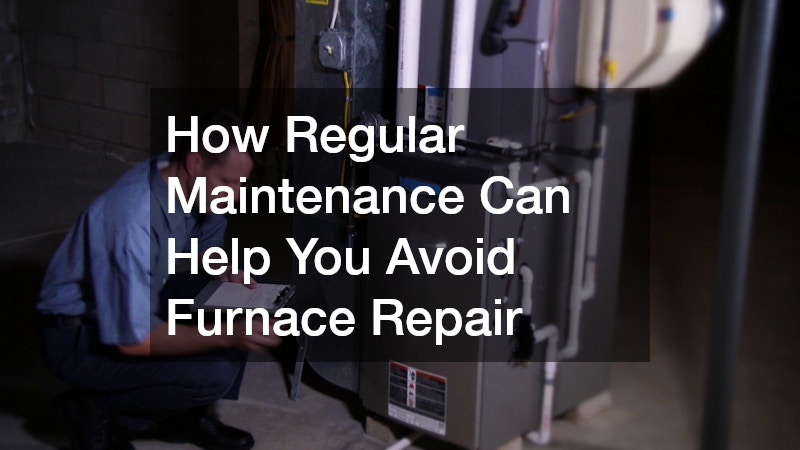
A professional inspection can uncover worn, loose, or damaged components that may not be obvious to a homeowner. Unusual noises, inconsistent heating, and frequent cycling can also indicate that something is not operating correctly.
Addressing these concerns early may help prevent more extensive furnace repair later. A technician can evaluate the system, identify the underlying cause, and determine whether a component needs adjustment, cleaning, or replacement.
Keep Airflow Unrestricted
Good airflow is essential for proper furnace operation. Homeowners should replace or clean the furnace filter according to the manufacturer’s recommendations and the needs of the household. A clogged filter can restrict airflow and place additional strain on the system.
It is also important to keep supply and return vents unobstructed. Furniture, rugs, curtains, and other household items should not block the pathways through which heated air circulates. Maintaining clear airflow can help the system distribute heat more effectively.
Maintenance Tasks That Support Furnace Performance
Some basic maintenance tasks can be handled by homeowners, while others should be performed by a qualified professional. Replacing the filter, checking the thermostat, keeping the area around the furnace clear, and performing basic visual checks can all support regular operation.
Professional maintenance is also valuable because technicians can inspect components that homeowners may not be equipped to evaluate. Maintenance requirements can vary based on the furnace’s type, age, condition, and how frequently it is used. Following the manufacturer’s recommendations can help establish an appropriate maintenance routine.
Check the Thermostat and Controls
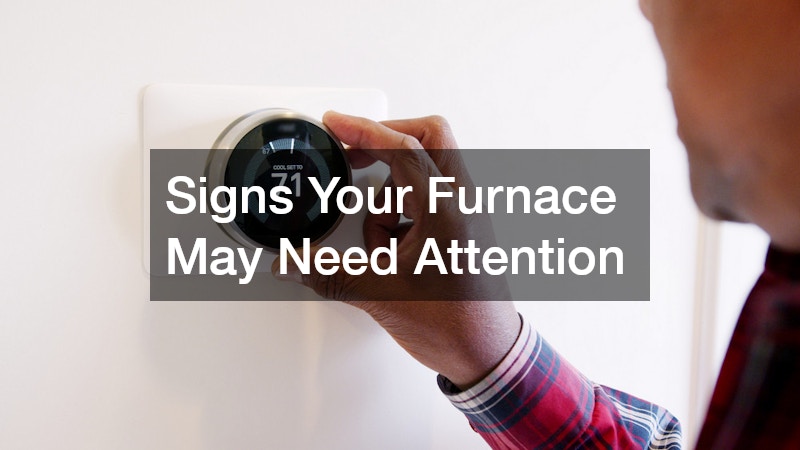
The thermostat controls when the furnace operates, so problems with settings or controls can affect comfort. Check that the thermostat responds appropriately when the temperature is adjusted, and replace batteries when applicable.
Programmable and smart thermostats can also help homeowners establish heating schedules that match their daily routines. Making sure these settings are correct can help prevent unnecessary operation and maintain comfortable temperatures.
Signs Your Furnace May Need Attention
Even a well-maintained furnace can eventually develop problems. Homeowners should pay attention to unusual sounds, strange odors, weak airflow, uneven temperatures, frequent cycling, or unexpected increases in energy use.
These symptoms do not necessarily mean a major failure is imminent, but recurring problems deserve attention. Ignoring a change in furnace performance may allow a relatively minor issue to develop into a more significant problem.
Know When to Schedule Furnace Repair
When symptoms persist despite basic maintenance, it may be time for professional furnace repair. A qualified technician can diagnose the underlying problem instead of simply addressing the most noticeable symptom. Continuing to operate a malfunctioning furnace could potentially make the problem worse, particularly if a mechanical or electrical component is failing.
Building a Furnace Maintenance Routine
Creating a consistent maintenance routine can make it easier to keep track of your heating system’s condition. Seasonal preparation is especially useful before periods when the furnace will be operating frequently. Scheduling professional maintenance before heavy heating demand can provide an opportunity to identify concerns in advance.
Regular attention does not guarantee that a furnace will never break down, but it can help homeowners identify potential problems sooner. Combining routine maintenance with prompt attention to warning signs can support dependable heating throughout the season.
Regular maintenance can help identify developing problems before they turn into significant furnace repair needs. Simple steps such as changing filters, maintaining clear airflow, checking thermostat operation, and arranging professional inspections can all contribute to reliable performance. Preventive maintenance is not a guarantee against breakdowns, but it can help support comfort and reduce the risk of avoidable problems. If your furnace shows signs of trouble, contact a qualified technician to determine whether professional furnace repair is needed.